ADHD and Menopause: What Every Woman Should Know
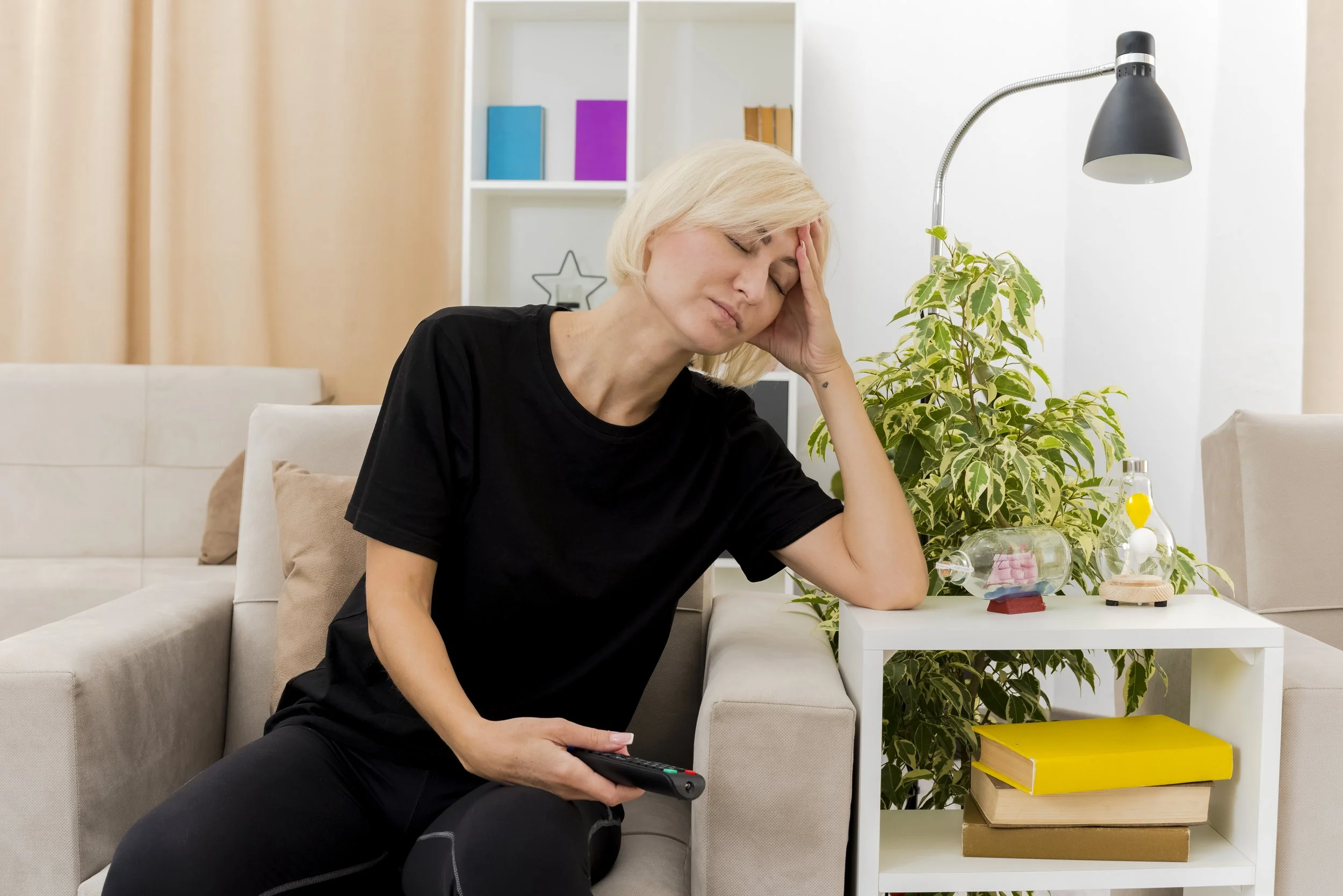
Menopause can make ADHD symptoms feel suddenly more intense, especially in women who have spent years coping, masking and pushing through. For many, perimenopause is the point where focus, memory, emotional regulation and confidence start to slip in a way that is difficult to ignore.
Why menopause can worsen ADHD symptoms
Perimenopause and menopause are marked by fluctuating and then declining oestrogen levels, and oestrogen plays an important role in dopamine regulation. Dopamine is central to attention, motivation, working memory and emotional control, so when oestrogen falls, ADHD symptoms can become more obvious or harder to manage.
Women often describe this as brain fog, forgetfulness, overwhelm, irritability and a feeling that their usual coping strategies no longer work. Menopause does not cause ADHD, but it can unmask ADHD that was already there or make established symptoms worse.
Oestrogen and the brain
Oestrogen supports several neurotransmitters linked to cognition and mood, including dopamine and serotonin. When oestrogen drops, concentration, sleep quality, mood stability and mental clarity can all suffer, which is why some women notice that work and home life suddenly feel much harder.
This matters even more if ADHD is already present, because the ADHD brain is more vulnerable to changes in dopamine availability. That is one reason many women report that their ADHD medication feels less effective during perimenopause, even if the dose has not changed.
Why diagnosis often happens in midlife
A lot of women are not diagnosed with ADHD until their 40s or 50s because they have spent years masking their symptoms. They may have worked hard, done well externally and quietly carried huge internal effort to stay organised and keep up.
When menopause begins, that hidden effort may stop being enough. Sleep disruption, hot flushes, mood swings and hormonal instability can push longstanding ADHD traits into the open, which is why midlife is such a common point for first diagnosis.
Does menopause make ADHD worse?
For many women, yes. Menopause can worsen ADHD symptoms by affecting attention, memory, emotional regulation and sleep at the same time. The overlap can feel especially pronounced because menopause symptoms and ADHD symptoms often look very similar on the surface.
Women may notice more missed appointments, more unfinished tasks, more emotional reactivity and more difficulty keeping up with routine demands. If you already had ADHD, menopause may make it feel louder; if you never realised you had ADHD, menopause may make it impossible to ignore.
Can ADHD develop during menopause?
ADHD does not begin in menopause, because it is a neurodevelopmental condition that starts earlier in life. But menopause can reveal ADHD that has never been formally recognised.
This is especially common in women who were intelligent, conscientious or highly masking when younger. Looking back, many can identify lifelong patterns such as daydreaming, disorganisation, emotional intensity, procrastination or chronic lateness that were never joined up into a diagnosis until midlife.
HRT and ADHD medication together
In many cases, yes, HRT and ADHD medication can be used together. They are not the same treatment and they do not replace each other: HRT aims to stabilise menopausal hormone changes, while ADHD medication targets ADHD symptoms directly.
Some women find that HRT improves sleep, mood and mental clarity enough to make ADHD easier to manage. Others still need ADHD medication, and a combined approach is often the most helpful. HRT is not a treatment for ADHD itself, but it may make ADHD treatment work more smoothly by reducing hormonal fluctuation.
What to discuss with your GP or private prescriber
If you suspect menopause is worsening ADHD, it helps to bring a clear symptom timeline to your appointment. Note when things changed, what you are struggling with most, and whether sleep disruption, hot flushes, anxiety or low mood are part of the picture.
It is also important to mention any existing ADHD diagnosis, current medication, HRT use or plans to start HRT. A good prescriber will consider both hormonal and neurodivergent factors rather than treating them as separate, unrelated problems.
Does menopause make ADHD worse?
Yes, it often can. The best way to think about it is that menopause may not create a new problem, but it can worsen an existing one enough that symptoms become more visible and more disruptive.
The combination of low oestrogen, poorer sleep, cognitive fatigue and emotional changes can make even familiar tasks feel harder. Many women describe this as “I was coping until I wasn’t,” which is a very common midlife ADHD story.
Can ADHD develop during menopause?
No, not in the usual sense. But it can absolutely be diagnosed during menopause because hormonal changes may remove the coping strategies that were previously hiding it.
That is why a full adult ADHD assessment is so useful in midlife. It can help separate menopausal cognitive symptoms from lifelong ADHD traits, and it can also identify whether both are present.
Why so many women get an ADHD diagnosis in menopause?
Many women are diagnosed at this stage because menopause exposes a pattern that was there all along. Before menopause, they may have compensated through structure, adrenaline, perfectionism or high intelligence. Once oestrogen declines and sleep becomes poorer, those supports are no longer enough.
This is also the point when many women seek help for brain fog, anxiety or low mood, only to discover that ADHD has been part of the picture for years. In that sense, menopause often becomes the doorway to a long-overdue diagnosis rather than the cause of ADHD itself.
When to seek assessment
You should consider an ADHD assessment if you notice:
a clear worsening of concentration, memory or organisation around perimenopause.
lifelong difficulty with attention, procrastination or emotional regulation.
poor response to anxiety or depression treatment alone.
a strong family history of ADHD or other neurodivergence.
symptoms that now interfere with work, relationships or daily life.
A good assessment will look at your whole history, not just the menopause transition. That is especially important for women, who are often overlooked until symptoms become impossible to manage.
Final thoughts
Menopause can make ADHD feel louder, more exhausting and more disruptive, but it can also bring long-hidden ADHD into focus. If you are feeling more forgetful, scattered or overwhelmed than usual, it does not mean you are failing. It may mean your brain needs different support at a different life stage.
For many women, the best outcomes come from looking at the whole picture: hormones, sleep, mood, ADHD symptoms and treatment options together. That is why combined care often works better than trying to solve one issue in isolation.
Thinking about getting assessed for ADHD?