When Titration Goes Off-Track: Managing Side Effects and Dose Changes

ADHD medication titration rarely follows a perfectly straight line—side effects, dose adjustments, and occasional switches are normal parts of finding your optimal treatment. Understanding what to expect, when to push through, and when to pause or pivot can make the difference between abandoning treatment and achieving stable, effective symptom control.
What Is ADHD Titration—and Why Does It Matter?
Titration is the structured process of starting ADHD medication at a low dose and gradually increasing it to find the sweet spot where symptom improvement is maximised and side effects remain tolerable. NICE guidelines recommend reviews every 1–2 weeks during active titration, with a structured assessment around six weeks once a steady dose is reached.
For most patients in the UK:
Private titration: typically 12 weeks from first dose to stable, reviewed dose
NHS or Right to Choose: 12–16 weeks once started (though waiting times before titration begins can extend the overall timeline significantly)
Full pathway (including waits): in some NHS services, many months or even years from referral to stable dose
Recent 2026 research confirms that going beyond licensed maximum doses does not improve average effectiveness and is usually linked to more side effects—reinforcing the importance of careful, evidence-based titration rather than "more is better."
Common Side Effects During Titration: What's Normal?
Most side effects emerge in the first days to weeks and diminish as your body adjusts. Knowing which symptoms are expected—and which warrant action—helps you stay on track without unnecessary alarm.
Stimulant Medications (Methylphenidate, Lisdexamfetamine)
Very common (25–60% of patients):
Reduced appetite (especially at lunchtime)
Insomnia or delayed sleep onset
Headache (usually transient, days 1–3)
Dry mouth
Mild increase in heart rate and blood pressure
Irritability or mood flattening, particularly as the dose wears off ("rebound")
Less common but important:
Anxiety or jitteriness (may indicate dose is too high)
Emotional blunting ("feeling flat or detached")
Gastrointestinal discomfort or nausea
In children: slowed weight gain and occasionally height velocity (usually recovers after discontinuation)
Non-Stimulant Medications (Atomoxetine, Guanfacine)
Atomoxetine:
Nausea, decreased appetite, fatigue (first 1–2 weeks)
Mood changes or suicidal ideation (rare but requires close monitoring in first 1–6 weeks)
Small increases in blood pressure and heart rate
Rare but serious: liver injury (discontinue if jaundice, dark urine, or right upper quadrant pain occur)
Guanfacine:
Somnolence and fatigue (often improves with evening dosing)
Hypotension, bradycardia, dizziness (requires BP/HR monitoring)
Abdominal pain, decreased appetite
Rebound hypertension if stopped abruptly—must taper gradually
When Side Effects Mean "Pause" vs. "Push Through"
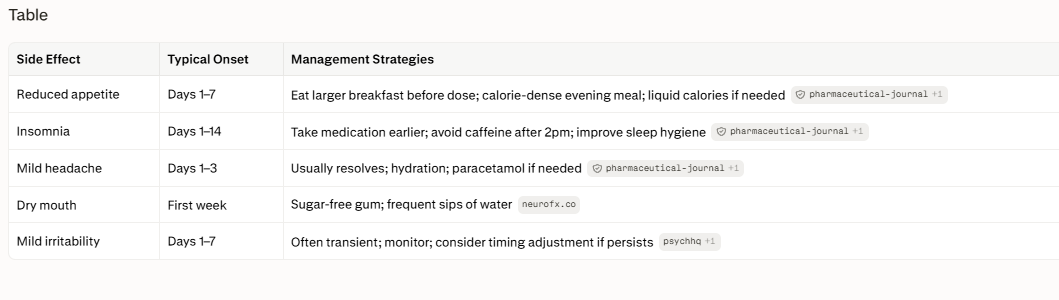
Not all side effects require stopping medication. Many can be managed with practical adjustments or by "titrating through" as your body adapts.
Safe to Continue (With Management)
When to Contact Your Prescriber Promptly
Side effects that persist beyond 2–4 weeks without improvement
Moderate-to-severe anxiety, agitation, or jitteriness (may indicate dose is too high)
Significant mood changes, emotional blunting, or rebound irritability affecting relationships or work
Blood pressure consistently elevated or heart rate >100 bpm at rest
Weight loss >5% of body weight or crossing ≥2 percentile lines in children despite dietary optimisation
Red Flags: Seek Urgent Medical Attention
Contact NHS 111, your GP urgently, or emergency services (999) if you experience:
Chest pain, palpitations, or fainting
Severe mood changes, aggression, or thoughts of self-harm
Signs of liver injury (atomoxetine): jaundice, dark urine, pruritus, right upper quadrant pain
Syncope or severe hypotension (guanfacine)
Practical Strategies to Manage Common Side Effects
1. Appetite Suppression
Front-load calories: Eat a substantial breakfast before taking medication
Plan evening meals: Schedule a larger dinner when medication wears off to capture "rebound hunger"
Use liquid calories: Smoothies, protein shakes, or nutritional drinks if solid food is unappealing at lunch
Track weight: Weigh monthly (children every 3 months) to catch concerning trends early
2. Insomnia and Sleep Disruption
Dose timing: Take medication as early as possible in the morning; avoid afternoon/evening doses unless specifically prescribed
Sleep hygiene: Consistent bedtime, dim lights 1 hour before sleep, no screens in bed
Caffeine cutoff: No caffeine after 2pm (or earlier if sensitive)
Consider formulation switch: Extended-release preparations may provide smoother wear-off and less sleep disruption than multiple immediate-release doses
3. Rebound Effects (Afternoon/Evening Crash)
Many people experience a sharp drop in energy, mood, or focus as medication wears off—often called "rebound" or "crash."
Management options:
Switch to extended-release: Maintains steadier blood levels and fades more gradually
Afternoon booster dose: Small immediate-release dose in late afternoon (per NHS Shared Care Protocol) to cover evening responsibilities
Adjust timing: Take morning dose slightly later if wear-off occurs too early for your schedule
Supportive habits: Balanced meals, hydration, and structured rest periods during the transition between medicated and unmedicated hours
4. Irritability and Mood Changes
Irritability, anxiety, or emotional blunting can signal that the dose is too high, the timing is off, or the medication class isn't the best fit.
Steps to take:
Review dose and timing: Sometimes switching to modified-release smooths out peaks and troughs
Assess underlying factors: Anxiety, stress, poor sleep, or caffeine can intensify side effects
Consider non-stimulants: Atomoxetine or guanfacine may reduce irritability for some adults
Don't stop abruptly: Work with your prescriber to taper or switch safely
When the Dose Is Too High: Recognising the Signs
A dose that's too high often feels worse—not better. You may experience:
Anxiety, jitteriness, or feeling "overstimulated"
Emotional flatness or detachment ("zombie-like")
Racing heart, palpitations, or elevated blood pressure
Intense afternoon crash or mood dip when medication wears off
Paradoxical increase in restlessness or agitation (medication mimicking ADHD symptoms)
What to do: Contact your prescriber to discuss reducing the dose. Recent evidence shows no benefit to exceeding licensed maximum doses, and higher doses typically increase side effects without improving effectiveness.
When Titration Isn't Working: Switching Medications
If you've completed an adequate trial (4–6 weeks at therapeutic doses) without meaningful benefit—or side effects remain intolerable despite adjustments—switching is common and often successful.
Switching Within the Same Class
Methylphenidate formulations: If one preparation (e.g., short-acting) isn't tolerated, try a different formulation (e.g., long-acting Concerta XL, Medikinet, or Equasym) before abandoning methylphenidate
Rationale: Individual response varies; some people tolerate one brand or release profile better than
Switching Between Stimulant Classes
NICE recommends switching from methylphenidate to lisdexamfetamine (or vice versa) if a 6-week trial at an adequate dose doesn't provide sufficient benefit.
Process:
Taper the first medication over ~1 week
Introduce the second medication at its starting dose
Retitrate as with any new start (typically 4–6 additional weeks)
Overall timeline: Adds roughly 4–6 weeks to your titration period
Response rates: 60–70% respond to the first stimulant; ~80% respond to either the first or second stimulant tried.on-Stimulants
Consider atomoxetine or guanfacine if:
Both stimulant classes fail after adequate trials
Side effects are intolerable even at low doses
There's a history of substance misuse or patient preference for non-controlled medication
Comorbid anxiety, tics, or emotional dysregulation predominate
Your Titration Tracking Checklist
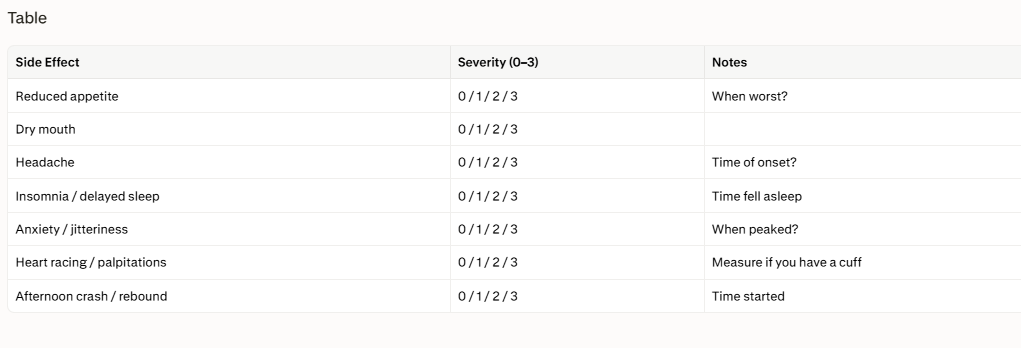
Consistent monitoring helps your prescriber make informed dose adjustments. Many services require patients to submit blood pressure, pulse, weight, side-effect logs, and symptom scores throughout titration (up to 16 weeks).
Daily tracking (simple checklist):
Weekly summary for your prescriber:
Average symptom improvement (0–10 scale)
Top 2–3 side effects and their impact on daily life
Blood pressure and heart rate readings (if monitoring at home)
Weight (monthly for adults; every 3 months for children)
Any missed doses or adherence challenges
How Long Should You Trial a Medication Before Deciding It's Not Working?
NICE and recent evidence suggest:
Minimum 4 weeks at adequate, titrated doses before concluding non-response
Full 6-week trial recommended for adults to assess meaningful functional improvement
Non-stimulants (atomoxetine, guanfacine): May require 6–8 weeks for full effect
If there's no meaningful benefit after an adequate trial—or side effects make continuation impossible—switching to an alternative (different formulation, different stimulant class, or non-stimulant) is appropriate.
Frequently Asked Questions (FAQs)
How long does ADHD titration take in the UK?
Active titration typically takes 12–16 weeks from first dose to stable, reviewed dose. Private services often complete in ~12 weeks; NHS pathways may take longer due to waiting times.
What if I feel worse on a higher dose?
This often means the dose is too high. Contact your prescriber to reduce the dose—higher doses don't necessarily mean better results and usually increase side effects.
Can I stop my ADHD medication suddenly if side effects are bad?
No—especially for guanfacine (risk of rebound hypertension) and stimulants (risk of fatigue, mood dips, and symptom rebound). Always work with your prescriber to taper safely.
When should I switch from methylphenidate to lisdexamfetamine?
If a 6-week trial at an adequate dose doesn't provide enough benefit or side effects are intolerable, NICE recommends switching to the other first-line stimulant.
Do I need blood tests before starting ADHD medication?
Routine blood tests aren't mandated by NICE, but many clinicians check baseline liver function (for atomoxetine) and always record blood pressure, heart rate, and weight.
What if my medication works in the morning but wears off by afternoon?
Discuss extended-release formulations, afternoon booster doses, or timing adjustments with your prescriber. Rebound effects are common and manageable.
Struggling with ADHD Titration? You Don't Have to Navigate It Alone
Side effects, dose adjustments, and medication switches are normal parts of ADHD treatment—not signs that something is "wrong" with you. With the right support, most people find a stable, effective regimen within 3–6 months.
Book an ADHD Assessment today and work with a specialist who will guide you through titration step-by-step, monitor side effects proactively, and adjust your plan until you find what works.
Book Your Private ADHD Assessment →
At Focus Gently, we provide:
Comprehensive, NICE-aligned assessments (60–90 minutes)
Personalised titration plans with regular reviews every 2–4 week
Proactive side-effect management and dose optimisation
Shared-care coordination with your GP for ongoing prescribing where appropriate
Don't let side effects derail your progress. Get expert guidance and stay on track to finding your optimal dose.