ADHD Medication UK Adults 2026: Complete Guide to Treatments, Costs & NHS Options
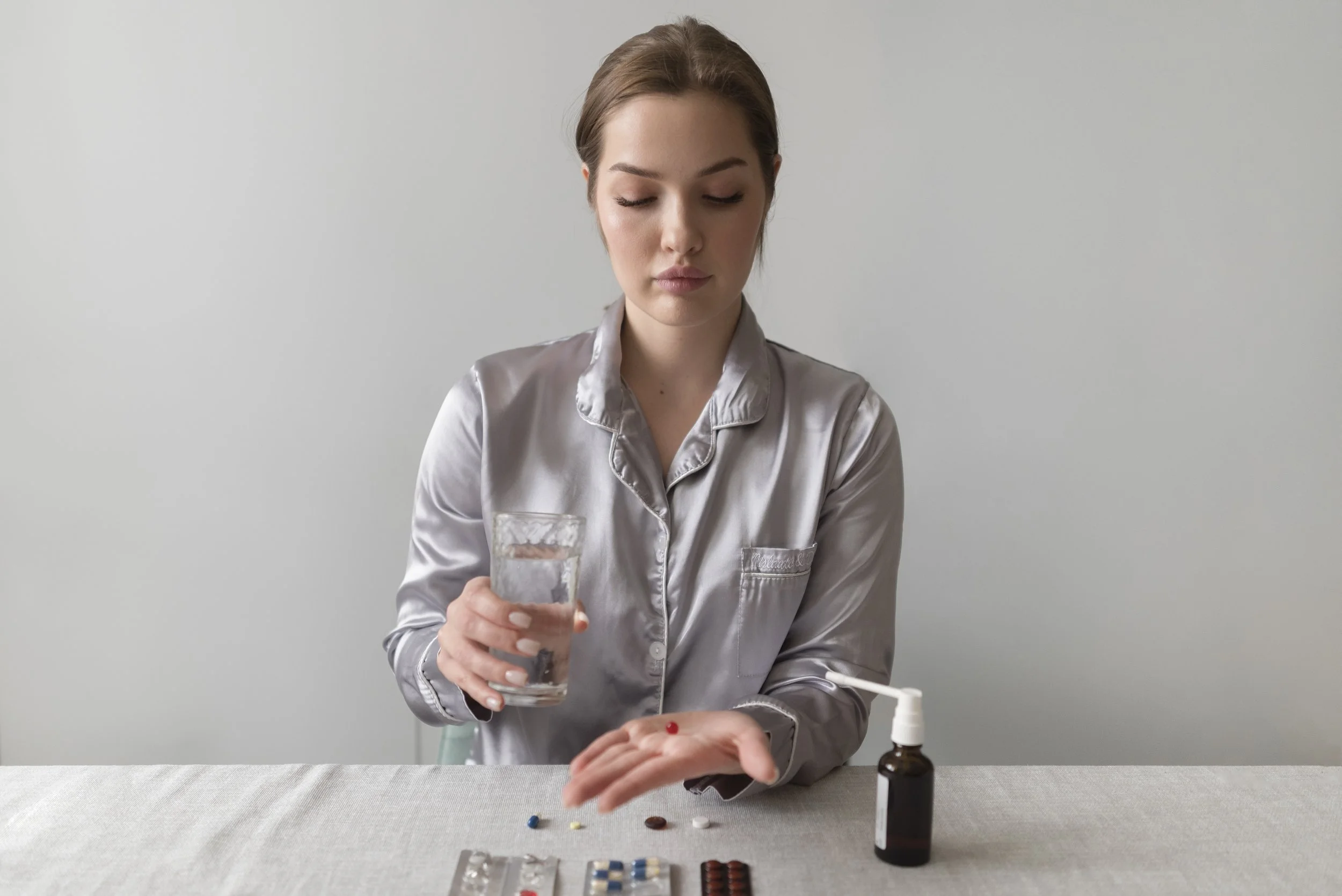
Living with untreated ADHD as an adult in the UK can feel like navigating life with the handbrake on. Difficulty concentrating, chronic disorganization, time blindness, and emotional dysregulation can impact your career, relationships, and self-esteem. Fortunately, medication remains one of the most effective treatments for adult ADHD, with 70-80% of adults experiencing significant symptom improvement.
This comprehensive guide covers everything you need to know about ADHD medication for adults in the UK in 2026, including NICE guidelines, prescription options, NHS versus private treatment pathways, costs, side effects, and practical FAQs to help you make informed decisions about your mental health.
Understanding ADHD Medication: How It Works
ADHD medications primarily work by increasing available dopamine and norepinephrine in the brain's prefrontal cortex—the area responsible for attention, executive function, and impulse control. These neurotransmitters are typically underactive in people with ADHD, which explains core symptoms like poor focus and difficulty regulating emotions.
There are two main categories of ADHD medication:
Stimulant Medications (First-Line Treatment)
Stimulants are the gold standard for ADHD treatment in the UK, with methylphenidate and lisdexamfetamine being the most commonly prescribed.
Methylphenidate (Ritalin, Concerta, Equasym): Works within 30-60 minutes, available in immediate-release (4-6 hours) and extended-release (8-12 hours) formulations
Lisdexamfetamine (Vyvanse): A prodrug that converts to dexamfetamine in the body, lasting 10-14 hours with smoother onset
Dexamfetamine: Shorter-acting alternative, typically 4-6 hours
Stimulants show the strongest evidence base, with response rates of 70-80% in adults.
Non-Stimulant Medications (Second-Line Treatment)
When stimulants are ineffective, poorly tolerated, or contraindicated, non-stimulants offer valuable alternatives:
Atomoxetine (Strattera): A selective norepinephrine reuptake inhibitor, takes 4-8 weeks for full effect, non-controlled substance
Guanfacine extended-release: Primarily used in children but increasingly prescribed off-label for adults
Bupropion: An antidepressant sometimes used off-label for ADHD
Non-stimulants have lower response rates (40-60%) but may be preferred for patients with substance use history or anxiety.
NHS vs Private ADHD Treatment in the UK
NHS Pathway
The NHS remains the primary route for ADHD diagnosis and treatment in the UK, though waiting times vary significantly by region:
Typical NHS Process:
GP referral to adult ADHD specialist service
Waiting period (6 months to 3+ years depending on location)
Comprehensive diagnostic assessment (usually 2-4 sessions)
If diagnosed, medication titration phase (3-6 months)
Shared care agreement with GP for ongoing prescriptions
NHS Right to Choose (England Only)
Under the NHS Right to Choose pathway, adults in England can request referral to an ADHD provider of their choice, potentially reducing waiting times significantly. This includes private providers accredited by the NHS, such as ADHD 360, Priory, and Below the Surface.
Private Treatment Route
Private ADHD assessment and treatment has become increasingly popular due to faster access:
Typical Private Process:
Assessment within 1-4 weeks
Cost: £400-800 for initial assessment
Medication titration: £50-150 per follow-up
Monthly prescription costs: £30-80 (private prescription fee + medication cost)
Advantages of Private Treatment:
Significantly faster access (weeks vs years)
More appointment flexibility
Dedicated medication management
Choice of specialist
Focus Gently is a clinically-informed platform offering ADHD-friendly tools, digital planners, evidence-based content, and pre-registration for upcoming nurse-led assessments in the UK.
Medication Costs in the UK
NHS Prescription Costs
England: £9.90 per prescription item (2026)
Scotland, Wales, Northern Ireland: Free prescriptions
Prepayment Certificate (PPC): £32.05 for 3 months or £114.50 for 12 months (covers unlimited prescriptions)
Many ADHD medications require monthly prescriptions, so a PPC often provides significant savings.
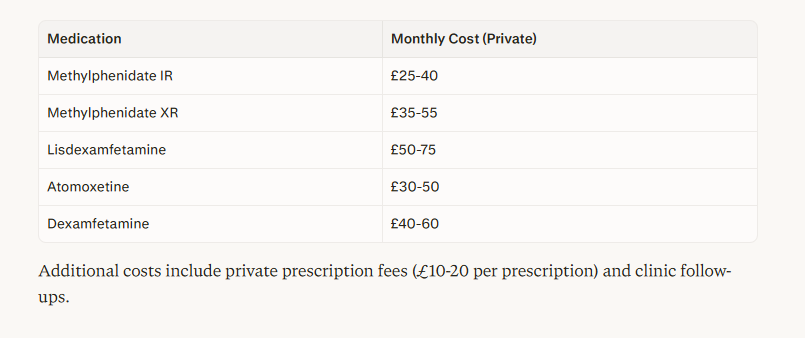
Private Prescription Costs
Private medication costs vary by pharmacy and medication:
Common Side Effects and Management
All ADHD medications carry potential side effects, though many are manageable with dose adjustments:
Stimulant Side Effects
Common (temporary):
Decreased appetite (affects 30-50% of users)
Sleep difficulties (20-30%)
Headaches (15-25%)
Increased heart rate and blood pressure
Dry mouth
Anxiety or irritability during dose wearing off
Management strategies:
Take medication with food to reduce appetite suppression
Avoid caffeine and take medication earlier in the day for sleep issues
Stay hydrated and use sugar-free gum for dry mouth
"Booster" doses of immediate-release medication for evening coverage
Non-Stimulant Side Effects
Atomoxetine-specific:
Nausea (40%, usually temporary)
Fatigue and drowsiness
Decreased libido
Mood swings during dose titration
Rare liver function abnormalities
When to Contact Your Prescriber
Contact your healthcare provider immediately if you experience:
Chest pain or palpitations
Fainting
Severe mood changes or suicidal thoughts
Signs of allergic reaction
Unexplained fever or sore throat (rare agranulocytosis with atomoxetine)
Medication Titration: What to Expect
The titration phase is crucial for finding your optimal dose:
Typical Titration Timeline:
Week 1-2: Start with lowest dose
Week 3-4: Increase if insufficient response and tolerable side effects
Week 5-8: Continue adjustments until optimal balance achieved
Week 12: Stabilization at maintenance dose
During titration, you'll need:
Regular blood pressure and heart rate monitoring
Weekly or biweekly follow-ups
Symptom tracking (rating scales, journaling)
Open communication about side effects
Most adults reach their optimal dose within 8-12 weeks.
Driving and ADHD Medication
The UK's Driver and Vehicle Licensing Agency (DVLA) has specific rules:
Stimulant Medications:
Methylphenidate and lisdexamfetamine are Group 2 controlled drugs
You do not need to notify DVLA if taking prescribed medication for ADHD at therapeutic doses
You must not drive if medication impairs your driving
Inform your insurance company about your diagnosis and medication
Important: Never drive if you feel drowsy, experiencing side effects, or if your dose has recently changed.
Traveling with ADHD Medication
UK to EU Travel:
Carry medication in original packaging with prescription
Bring a letter from your prescriber explaining your diagnosis and medication
For controlled drugs (methylphenidate, dexamfetamine, lisdexamfetamine), you technically need a Personal Import License for doses exceeding 3 months' supply
International Travel:
Research destination country's controlled substance laws (some countries ban ADHD medications entirely)
Carry twice the medication you'll need in case of delays
Keep medication in carry-on luggage
FAQs About ADHD Medication for UK Adults
Q1: Do I need an NHS diagnosis to get ADHD medication privately?
A: Yes, a formal diagnosis from a qualified psychiatrist is required before any ADHD medication can be prescribed. Private clinics won't prescribe without proper assessment and diagnosis.
Q2: Can my GP prescribe ADHD medication after private diagnosis?
A: Only if they agree to a Shared Care Agreement. Your private psychiatrist sends a detailed report to your GP, who then agrees to prescribe at the stabilized dose. Many GPs decline shared care due to time constraints or lack of ADHD expertise.
Q3: How long does ADHD medication last?
A: Immediate-release methylphenidate lasts 4-6 hours, extended-release formulations last 8-12 hours, and lisdexamfetamine lasts 10-14 hours. Atomoxetine is taken daily with cumulative effects over weeks.
Q4: Will ADHD medication make me feel "high"?
A: No, when taken at therapeutic doses as prescribed, ADHD medication doesn't produce a euphoric "high" in people with ADHD. Instead, it normalizes brain chemistry, improving focus and reducing impulsivity. Misuse by taking higher doses or crushing pills can produce euphoria, which is why these are controlled substances.
Q5: Can I drink alcohol while on ADHD medication?
A: Moderate alcohol consumption is generally safe, but alcohol can:
Counteract medication benefits
Increase side effects like drowsiness or poor judgment
Be more intoxicating than expected (especially with stimulants)
Limit alcohol intake and avoid binge drinking, particularly during titration.
Q6: What if medication stops working?
A: Several factors can reduce effectiveness:
Tolerance development (rare with proper dosing)
Hormonal changes (especially in women during menstruation, pregnancy, menopause)
Increased stress or life changes
Inadequate sleep or poor nutrition
Wrong medication or dose
Contact your prescriber for dose adjustment or medication switch.
Q7: Can I take ADHD medication long-term?
A: Yes, ADHD medication can be safely taken long-term with regular monitoring. Many adults take medication for decades. Annual reviews should include cardiovascular screening, growth monitoring (younger adults), and assessment of continuing need.
Q8: Are there any supplements that interact with ADHD medication?
A: Yes, several supplements can interact:
Vitamin C/acidic foods: Reduce absorption of stimulants if taken within 1 hour of medication
Calcium-fortified foods: Can interfere with atomoxetine absorption
St. John's Wort: Interacts with atomoxetine and can increase serotonin syndrome risk
Caffeine: Amplifies stimulant side effects like anxiety and heart rate
Consult your prescriber before starting new supplements.
Q9: What happens if I miss a dose?
A:
Stimulants: Take as soon as you remember if it's midday or earlier. Skip if it's afternoon/evening to avoid sleep disruption. Don't double dose.
Atomoxetine: Take as soon as remembered, skip if close to next dose. Consistency is more important than catching missed doses.
Q10: Is ADHD medication covered by insurance?
A: Private health insurance in the UK typically covers ADHD assessment and medication if you have mental health coverage, but pre-authorization is often required. Check your policy details and pre-approval requirements before starting treatment.
Getting Started with ADHD Treatment
If you suspect you have ADHD, here's your action plan:
Book a GP appointment to discuss your symptoms and request referral
Document your symptoms: Keep a journal of specific challenges, their frequency, and impact on daily life
Research your options: NHS waiting times vs private treatment, considering costs and urgency
Consider NHS Right to Choose if in England to potentially reduce waiting times
Prepare for assessment: Gather childhood report cards, speak with family about your history
Follow through: Once diagnosed, commit to the titration process and regular monitoring
Living with untreated ADHD doesn't have to be your reality. With proper diagnosis and medication, thousands of UK adults have transformed their lives—gaining better focus, improved relationships, and renewed confidence in their abilities.
Ready to explore ADHD treatment options? Whether you're considering NHS pathways or private assessment, having access to ADHD-friendly tools and evidence-based information can make the journey smoother.
Visit Focus Gently for ADHD-friendly digital planners, clinically-informed resources, and pre-registration for upcoming nurse-led assessments in the UK: https://www.focusgently.com/