
Lisdexamfetamine Prescribing Checklist: Safe, Structured Adult ADHD Prescribing
Learn what a lisdexamfetamine prescribing checklist includes, why it matters before ADHD treatment, and how it supports safe, structured prescribing.

Pre-medication ADHD screening
Learn why pre-medication ADHD screening matters, what it includes, and how it helps determine whether ADHD medication is safe and appropriate.
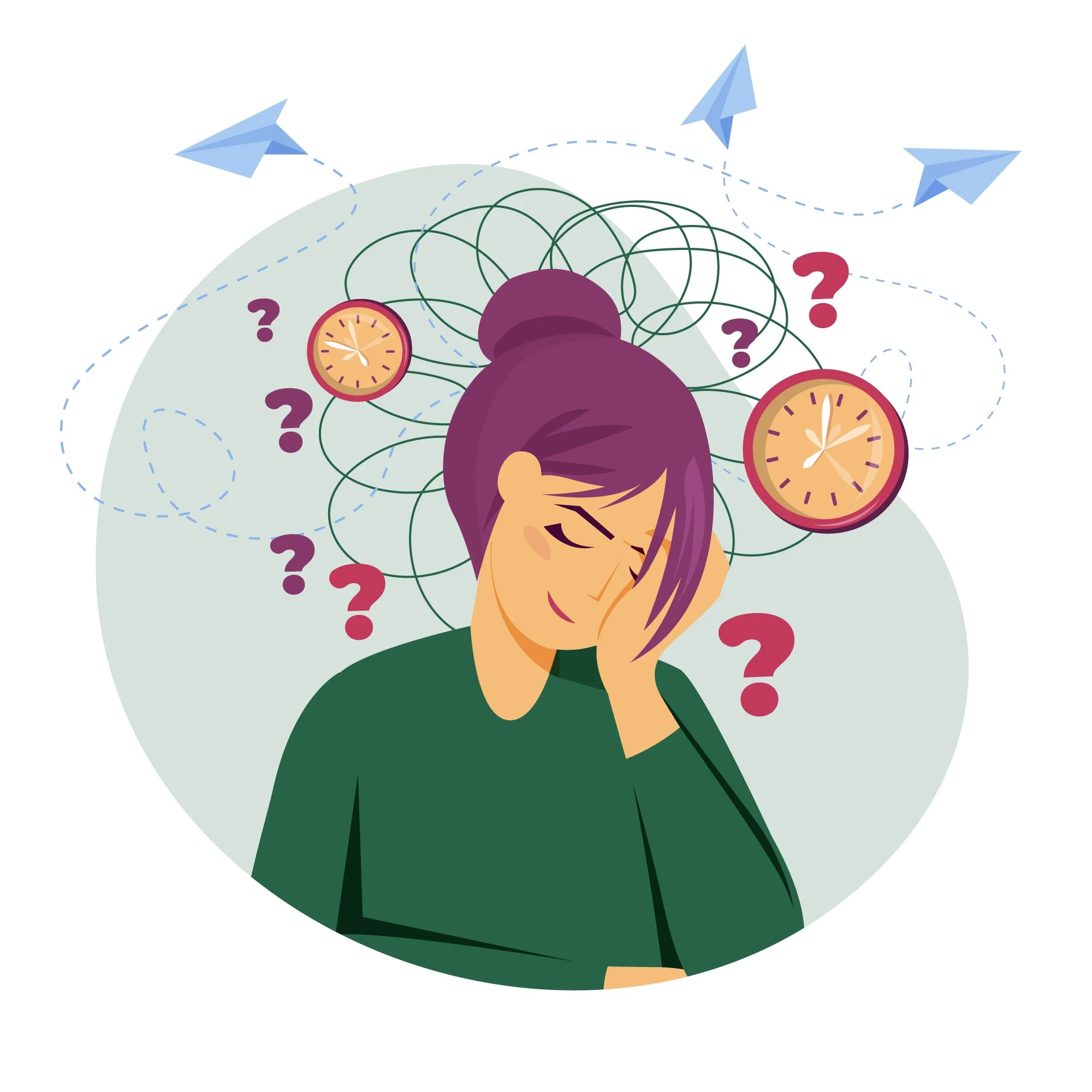
The 19 QT-Prolonging Drugs Every ADHD Prescriber Needs to Know About
When we talk about drug safety in ADHD prescribing, the conversation usually starts with cardiovascular contraindications. These are the headline stops. Every prescriber knows them. What gets less attention is the patient on citalopram 40mg who wants to start atomoxetine. Or the patient on quetiapine and haloperidol where the QT risk compounds. Here are the 19 QT-prolonging drugs every ADHD prescriber needs to know — tiered by risk, with guidance on what your documentation needs to show.

ADHD Prescribing Tool UK: Safe, Structured Support for Adult ADHD Treatment
Discover how an ADHD prescribing tool UK clinicians can use supports safe, evidence-based medication decisions, titration, and monitoring for adult ADHD.

Why ADHD Pre-Medication Screening Is the Highest-Risk Step in the Private Prescribing Pathway — And What to Do About It
If you prescribe ADHD medication privately, you already know the feeling. A patient in front of you. Confirmed diagnosis. Ready to start medication. And before you can write that prescription, you need to work through a mental checklist that isn't written down anywhere in one place. Ten absolute contraindications for lisdexamfetamine alone. Thirteen for methylphenidate — several unique to that drug. QT prolongation profiles. Named MAOIs. Baseline observations. ECG indications. The risk isn't that prescribers don't know this. The risk is that without a structured, documented process — the screening and the documentation aren't consistent. And inconsistency is where medico-legal exposure begins. Here's what good pre-initiation screening actually looks like, and what I built to solve it.

ADHD Medication Screening Tool: What It Is, Who It Helps, and What Happens Next
Use an ADHD medication screening tool to check for common ADHD symptoms, understand what happens next, and decide whether a full assessment is the right step.

Inattentive ADHD: The Quiet Type Explained
Learn what inattentive ADHD is, how it differs from hyperactive ADHD, why it is often missed in women, and how to get diagnosed in the UK.

High Functioning ADHD: When No One Believes You Struggle
High functioning ADHD is real. Learn why intelligent adults mask symptoms, what hidden struggles look like, why diagnosis is missed, and how to get assessed in the UK.

ADHD in Women: Why It Looks Different
Learn how ADHD looks different in women, why it is often missed, the signs to look for, and how women in the UK can get an ADHD assessment.

ADHD and Menopause: What Every Woman Should Know
Learn how menopause and perimenopause can worsen ADHD symptoms, why many women are diagnosed in midlife, and whether HRT and ADHD medication can be used together.

ADHD and Anxiety: Understanding the Overlap for UK Adults
ADHD and anxiety co‑occur in 50% of adults. Learn overlapping symptoms, why they happen together, best medications/therapy, and UK assessment options.

RSD and ADHD: Rejection Sensitive Dysphoria Explained for Adults
RSD and ADHD often co‑occur. Learn rejection sensitive dysphoria symptoms, why it happens, how it differs from general rejection sensitivity, and UK treatment options.

Hypermobility and ADHD: Is There a Connection?
Research shows 50% of ADHD adults are hypermobile—5x higher than average. Discover the genetic, autonomic links between hypermobility/EDS and ADHD, daily life impact, and UK assessment options. If joint pain + brain fog sound familiar, this could explain why.

ADHD and OCD: can you have both?
Yes, you can have both ADHD and OCD. They are different conditions, but they can overlap, affect each other, and sometimes be mistaken for one another. This article explains the differences, the overlap, and what to do if you think you may have both.
If you have symptoms that feel confusing or contradictory, a proper assessment can help clarify what is driving them and what treatment may help.

PMDD and ADHD: What is the link?
PMDD and ADHD can happen together, and the combination can make symptoms feel more intense across the menstrual cycle. This article explains what PMDD is, why it often overlaps with ADHD, how hormones can affect symptoms, and what treatment options may help.
If you think you may have both conditions, the most important step is to discuss the pattern of your symptoms with a clinician who understands both ADHD and menstrual health.

Non-stimulant ADHD medications: a complete guide
Non-stimulant ADHD medications can be a useful option for adults who cannot tolerate stimulants, do not get enough benefit from them, or prefer a different treatment approach. This guide explains what non-stimulants are, how atomoxetine and guanfacine work, and how they compare with stimulant medicines.

Life on Adderall for ADHD: Real‑World Impact on Work, Mood, Sleep, and Long‑Term Health
Learn how life on Adderall for ADHD really feels: effects on work, mood, sleep, side effects, misuse risks, and long‑term health for adults.

Adderall for ADHD in Adults: Evidence, Risks and UK‑Approved Alternatives
This clinical, evidence‑based guide is written for adults searching for “Adderall for ADHD” who want a clear explanation of what Adderall is, how it works in adult ADHD, why it is rarely used in the UK, and which UK‑licensed medicines fulfil the same therapeutic role with proper monitoring. It is information, not personalised medical advice; any decision about treatment should be made with a suitably qualified prescriber.
ADHD medication for young professionals in the UK: a clinical 2026 guide
Clinical 2026 guide to ADHD medication for young UK professionals: who should consider it, stimulant vs non‑stimulant options, and how it affects work and wellbeing.

Adderall for ADHD in Young Professionals: Clinical 2026 Guide for UK Adults
Clinical 2026 guide to Adderall for ADHD in young UK professionals: how it works, risks, safer alternatives and evidence‑based next steps for treatment.