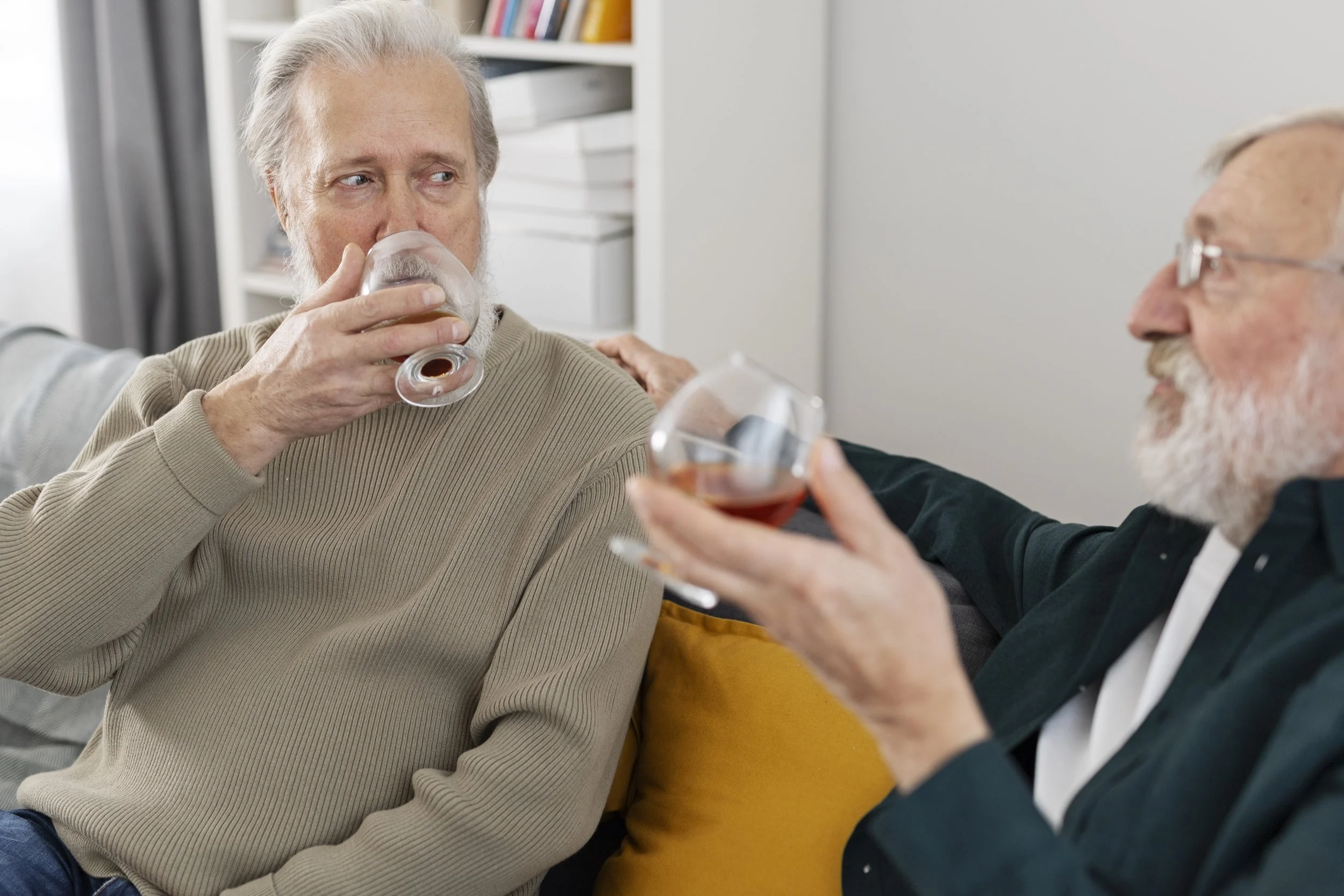
The safest approach is to avoid alcohol while taking Elvanse and discuss your drinking habits with your prescriber. UK shared-care guidance advises avoiding alcohol because it may worsen some side effects of lisdexamfetamine, the active ingredient in Elvanse.
The manufacturer’s wording is more limited: the UK Summary of Product Characteristics states that there are “limited data on the possible interaction with alcohol”. That does not establish a safe drinking limit or prove that combining them is harmless.
If you have already had a drink, do not panic—but do not assume that feeling well means further drinking is safe. Avoid more alcohol, do not drive, and seek advice if you develop concerning symptoms.
What Is Elvanse, and Why Does Alcohol Matter?
Elvanse contains lisdexamfetamine, a stimulant used to treat ADHD. After it is absorbed, the body converts it into dexamfetamine, which produces the medicine’s therapeutic effects. It is usually taken once in the morning.
Alcohol affects judgement, coordination, and behaviour. Elvanse can affect heart rate, blood pressure, sleep, appetite, and mental state. When the two are used together, these effects can complicate how you feel and make it harder to recognise whether symptoms are caused by alcohol, medication, or both.
This matters even when Elvanse has been prescribed appropriately and you have taken your usual dose. Taking a medicine correctly does not remove the need to consider interactions.
What Does UK Guidance Actually Say?
There is an important distinction between limited research and a recommendation to avoid a combination.
The Elvanse prescribing information acknowledges that research on the possible alcohol interaction is limited. Nottinghamshire’s adult lisdexamfetamine shared-care protocol advises patients to avoid alcohol, explaining that it may exacerbate central nervous system side effects.
These statements are not contradictory:
The manufacturer describes the uncertainty in the evidence.
Clinical guidance takes a precautionary approach to patient safety.
Neither provides a universally safe number of drinks for someone taking Elvanse.
An older systematic review of ADHD medicines and alcohol found limited evidence of severe interactions in the available studies, but the authors emphasised that the numbers were too small to exclude uncommon effects. The findings covered several ADHD medicines and should not be interpreted as proof that Elvanse and alcohol are safe together.
What Are the Main Risks?
1. Heart rate, blood pressure, and palpitations
Elvanse can increase blood pressure and heart rate. Although average increases are generally modest, some individuals experience larger changes, which is why cardiovascular monitoring is part of treatment.
Combining lisdexamfetamine with alcohol may increase the risk of cardiovascular symptoms such as a fast heartbeat, chest pain, or changes in blood pressure. This is particularly relevant if you already have cardiovascular symptoms or other risk factors.
Do not dismiss chest pain, fainting, or severe palpitations as a normal part of drinking. These symptoms require medical assessment.
2. Feeling less drunk than you actually are
A stimulant can make someone feel more alert without reversing alcohol-related impairment. This creates a risk that the person drinks more because they do not feel as sedated as expected.
Feeling awake is not the same as being sober. Your judgement, coordination, and ability to drive may still be impaired.
The degree of this “masking” effect is not well established specifically for prescribed Elvanse, so it should be described as a concern—not a guaranteed response in every person.
3. Sleep problems and next-day difficulties
Insomnia is a very common Elvanse side effect. Anxiety, irritability, and fatigue are also recognised adverse effects. Alcohol can add another variable when you are trying to understand your sleep and daily functioning.
If you feel exhausted, unfocused, or emotionally unsettled after drinking, do not automatically assume your ADHD medication has stopped working. Tell your prescriber about the drinking, your sleep, and the timing of your symptoms before considering a dose change.
4. Worsening mental-health symptoms
Elvanse can cause or worsen psychiatric symptoms in some people, including agitation, anxiety, and, less commonly, manic or psychotic symptoms. Its prescribing information requires ongoing monitoring of mental state.
Is One Drink Safe?
There is no reliable, universally applicable “one drink is safe” rule for Elvanse.
The available prescribing information does not define a safe alcohol allowance or identify a threshold below which an interaction cannot occur. UK shared-care guidance recommends avoiding alcohol.
Your individual situation may depend on:
Your dose and stage of treatment.
Existing side effects.
Blood pressure and cardiovascular history.
Other medicines or recreational substances.
Mental-health history.
The amount and pattern of alcohol use.
Any history of problematic drinking.
Be specific with your prescriber. “A drink occasionally” can mean very different things to different people. Describing the type, amount, and frequency of alcohol helps them give more relevant advice.
Can You Drink in the Evening After a Morning Dose?
Do not assume Elvanse has completely left your system because its noticeable benefits have faded.
In clinical studies, effects continued up to 13 hours after dosing in children and 14 hours in adults. The active dexamfetamine also remains in the body beyond the point when someone feels the medication is helping.
Therefore, taking Elvanse early in the morning does not establish a guaranteed safe drinking window that evening.
There is no standard manufacturer-approved instruction to wait a particular number of hours before drinking. Your prescriber should advise you rather than an online timing calculator or another patient’s experience.
Should You Skip Elvanse So You Can Drink?
Do not change or omit prescribed medication specifically to make drinking possible without discussing it with your prescriber.
A missed dose is not a guarantee that alcohol is safe, particularly because medicine from earlier dosing may still be present. Medication breaks should also consider how untreated ADHD symptoms affect your daily responsibilities and safety.
Elvanse prescribing information allows clinicians to consider planned periods off treatment when assessing ongoing need. That is different from repeatedly changing treatment around nights out.
If social drinking is important to you, raise it during a review. The aim is an honest, workable safety plan—not concealing alcohol use or improvising medication changes.
Why Is Alcohol Particularly Unhelpful During Titration?
Titration involves adjusting Elvanse according to symptom response and tolerability. The prescribing information recommends individualised dosing, cardiovascular checks at each adjustment, and monitoring for new or worsening psychiatric symptoms.
Alcohol can make that assessment less clear. For example, it may be difficult to interpret palpitations, disturbed sleep, anxiety, or irritability if several factors have changed at once.
A sensible discussion during titration includes:
Whether your clinic expects alcohol avoidance.
Which symptoms to record.
What to do if you drink unexpectedly.
When to contact the clinic.
How to manage a missed dose without doubling up.
Follow the plan agreed with your prescribing team.
What If You Have Already Mixed Elvanse and Alcohol?
An accidental or unplanned combination does not mean a serious reaction will definitely occur. However, stop drinking and pay attention to how you feel.
Practical steps include:
Do not drink more alcohol.
Do not drive or operate machinery.
Do not take extra Elvanse to feel more alert.
Avoid adding recreational drugs or other stimulants.
Ask a trusted person to stay with you if you feel unwell.
Contact NHS 111 if you are concerned or need advice about symptoms.
Tell the healthcare professional your Elvanse dose, when you took it, how much alcohol you drank, and whether you used any other substances. Accurate information helps them assess risk.
When to call 999
Call 999 if you suspect alcohol poisoning, or if someone has a seizure, loses consciousness, stops breathing, or develops slow or irregular breathing. NHS guidance identifies these as emergency warning signs.
Severe chest pain, collapse, or severe breathlessness also requires emergency assessment.
Stay with the person. If they are unconscious but breathing, put them in the recovery position and monitor their breathing. Do not give coffee, force food or drink, induce vomiting, or put them in a cold shower. Follow the emergency call handler’s instructions.
What Should You Tell Your Prescriber About Drinking?
Alcohol use is a routine safety topic, not a reason for judgement.
Elvanse should be prescribed cautiously to people with a history of substance misuse or dependence. The prescribing information requires assessment of misuse risk before treatment and ongoing monitoring.
Useful points to discuss include:
Your usual weekly drinking pattern.
Episodes of drinking more than intended.
Blackouts or injuries.
Drinking to manage stress, sleep, or medication “wear-off”.
Difficulty cutting down.
Other substances or medicines.
Any previous treatment for alcohol-related problems.
If drinking feels difficult to control, ask your GP or prescribing team about support. Needing help does not mean you should manage the problem alone or abandon ADHD care.
Frequently Asked Questions
Can I drink wine or beer while taking Elvanse?
Wine and beer still contain alcohol. The concern is not limited to spirits. UK shared-care advice recommends avoiding alcohol during lisdexamfetamine treatment.
Does a lower Elvanse dose make alcohol safe?
No dose is established as a universally safe basis for drinking. Lower doses can still cause side effects, and the manufacturer does not provide a dose-specific alcohol allowance.
Can Elvanse sober me up?
No. Feeling more alert does not reverse alcohol impairment. Stimulants may mask some perceived effects of alcohol and encourage further drinking.
How many hours should I wait before drinking?
There is no validated waiting period that guarantees safety. Elvanse is long-acting, and active dexamfetamine remains in the body after noticeable benefit fades. Ask your prescriber rather than relying on a fixed number of hours.
Should I take extra Elvanse if I feel hungover?
No. Take only your prescribed dose. Do not use extra medication to counter tiredness or alcohol effects. If you are significantly unwell or uncertain about your next dose, seek professional advice.
Will my prescriber stop treatment if I admit drinking?
An honest discussion does not automatically determine one outcome. Your prescriber should assess the pattern of drinking, health risks, treatment benefits, and support needs. Substance-use history is relevant to safe prescribing.
Can I drive if Elvanse makes me feel alert after drinking?
No—do not use alertness as a test of fitness to drive. Elvanse does not cancel alcohol impairment, and the medicine itself can affect driving ability in some people.
Book an ADHD Assessment
Get Clear Answers and a Treatment Plan Built Around Your Life
If attention, impulsivity, organisation, or daily routines are affecting your life, start with a comprehensive assessment rather than guessing which medicine you need.
Focus Gently offers private adult ADHD assessments with a written report, alongside medication care where clinically appropriate. Its service also supports eligible adults with an existing UK ADHD diagnosis who need help starting or reviewing treatment.focusgently