Elvanse Side Effects: Common, Serious & When to Get Help
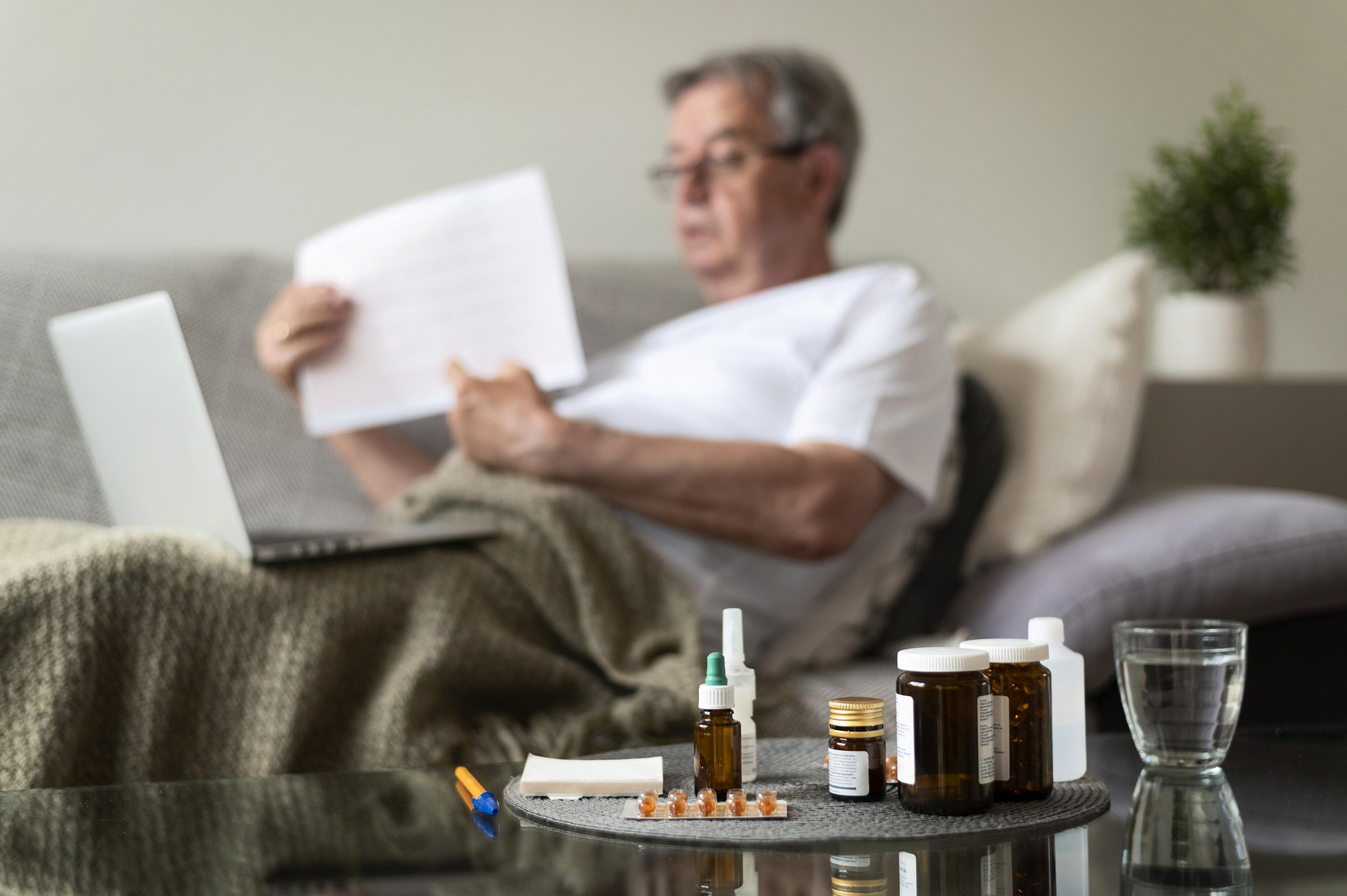
Elvanse is a prescription medicine used to manage attention deficit hyperactivity disorder (ADHD). Its active ingredient, lisdexamfetamine, is converted in the body to dexamfetamine and can improve attention, concentration and impulse control.
Like all medicines, Elvanse can cause side effects. Many are mild and improve as the body adjusts, but some symptoms require prompt medical advice. This guide explains common and serious Elvanse side effects, what you can do, and when to contact your doctor.
Important: This article is for general information and does not replace advice from your prescriber, pharmacist or another qualified healthcare professional. Do not change your dose or stop Elvanse suddenly without medical advice.
What is Elvanse?
Elvanse contains lisdexamfetamine, a central nervous system stimulant. It is prescribed as part of a broader ADHD treatment plan, which may include psychological support, education, lifestyle strategies and regular clinical reviews.
In the UK, lisdexamfetamine may be prescribed for children aged 6 years and over when methylphenidate has not provided an adequate response. Elvanse Adult is used for adults with ADHD when treatment is clinically appropriate. NICE recommends monitoring both the effectiveness of ADHD medication and any adverse effects during treatment.
Elvanse is usually taken once daily in the morning. Because it can last for much of the day, taking it later may increase the risk of difficulty sleeping.
Common Elvanse side effects
The most frequently reported side effects are reduced appetite, insomnia, dry mouth and headache. These are classed as very common in the UK patient information leaflet, meaning they may affect more than 1 in 10 people.
Reduced appetite and weight loss
Elvanse can reduce hunger. Some people may forget to eat, feel less interested in food or become full more quickly. If this continues, it may lead to weight loss or inadequate nutrition.
Practical steps may include:
Eating a nutritious breakfast before the medicine reaches its full effect.
Planning regular meals and snacks rather than waiting until you feel hungry.
Choosing calorie- and nutrient-dense foods if your appetite is low.
Having a substantial evening meal if appetite returns later in the day.
Recording weight changes and discussing concerns with your prescriber.
Children and young people may require closer monitoring because changes in appetite and weight can affect growth. NICE recommends regular monitoring of height and weight in children and young people taking ADHD medication. Adults should also have their weight reviewed during treatment.
Difficulty sleeping
Insomnia or delayed sleep is another common side effect. You may find it harder to fall asleep, wake during the night or sleep fewer hours than usual.
Helpful measures include taking Elvanse early in the morning, maintaining a consistent bedtime and limiting caffeine, particularly later in the day. Tell your prescriber if sleep problems persist, affect your daytime functioning or began after a dose increase. The timing, dose or choice of medication may need review.
Dry mouth
Dry mouth can be uncomfortable and may increase the risk of dental problems if it persists. Drinking water regularly, chewing sugar-free gum and maintaining good oral hygiene may help. Avoid excessive sugary drinks, which can contribute to tooth decay.
Contact your dentist or healthcare professional if you develop persistent mouth soreness, difficulty swallowing or significant dental problems.
Headache
Headaches may occur when starting Elvanse or after a dose change. Staying hydrated, eating regularly and getting adequate sleep may help. Ask a pharmacist or doctor which pain relief is suitable for you, particularly if you have other medical conditions or take additional medicines.
Speak to your prescriber if headaches are severe, persistent, worsening or accompanied by visual changes, weakness, confusion or fainting.
Other possible side effects
Elvanse may also cause:
Nausea, vomiting, diarrhoea, constipation or stomach pain.
Feeling restless, agitated, anxious, tense or irritable.
Dizziness or tiredness.
Increased sweating.
Teeth grinding.
Changes in mood.
A faster heartbeat or palpitations.
Increased blood pressure.
Blurred vision or other visual disturbances.
Changes in sex drive or sexual function.
Tics or worsening of existing tics in some people.
Not everyone experiences these effects, and symptoms may vary according to the dose, timing, other medicines, sleep, food intake and individual health factors. The UK product information notes that dizziness, drowsiness and visual disturbances may affect the ability to drive or operate machinery. Do not drive or use machinery if Elvanse makes you feel unsafe or affects your vision or alertness.
Serious Elvanse side effects
Serious side effects are uncommon, but they should not be ignored. Seek urgent medical advice if you develop symptoms that could indicate a heart problem, severe mental health reaction, allergic reaction or another serious complication.
Chest pain, fainting or an irregular heartbeat
Contact a doctor promptly if you develop:
Chest pain or pressure.
A fast, pounding or uneven heartbeat.
Unexplained fainting.
Breathlessness, especially with exertion.
New swelling in the legs or unexplained extreme tiredness.
The UK patient leaflet specifically advises seeking medical attention for palpitations and chest pain because they may indicate a heart problem.
Call 999 or attend A&E if chest pain is severe, persistent, associated with breathlessness, collapse or marked weakness.
Before and during treatment, your clinician should consider your cardiovascular history and monitor blood pressure and pulse. NICE recommends checking these before and after dose changes and at regular intervals during treatment.
Severe changes in mood or behaviour
Stimulant medicines can occasionally be associated with significant psychiatric symptoms. Contact your doctor urgently if you or someone close to you notices:
Hallucinations.
Paranoia or unusual suspiciousness.
Delusions or a loss of contact with reality.
Severe agitation or aggression.
Unusually elevated mood, reduced need for sleep or behaviour that is markedly out of character.
Severe depression or thoughts of self-harm.
These symptoms may indicate a serious reaction requiring an urgent review of your medication and mental health.
If there is an immediate risk of harm, call 999, go to A&E or contact urgent mental health services. Do not leave someone at immediate risk alone.
Seizures
Seek urgent medical help if you have a seizure while taking Elvanse, particularly if this is a first seizure, lasts longer than usual or occurs repeatedly.
Severe allergic reaction
A serious allergic reaction may include sudden swelling of the lips, mouth, tongue or throat; difficulty breathing; wheezing; fainting; or a widespread, rapidly developing rash.
Call 999 immediately if these symptoms occur. Do not wait to see whether they improve.
Severe skin reactions
Contact a doctor urgently if you develop a severe or rapidly spreading rash, blistering skin, peeling skin, painful sores in the mouth or eyes, or skin symptoms accompanied by fever. These may be signs of a serious skin reaction.
Liver or circulation symptoms
Rarely, seek urgent advice for yellowing of the skin or whites of the eyes, dark urine, severe abdominal pain, unusual bleeding or marked swelling.
Cold, painful, pale or blue fingers and toes should also be reported, particularly if symptoms are new, severe or persistent.
When should you contact your doctor?
Contact your prescriber or GP if:
Side effects are troublesome or do not improve.
You are losing weight without intending to.
Your child is not gaining weight or growing as expected.
You cannot sleep regularly.
Anxiety, irritability or mood changes are affecting daily life.
You experience persistent palpitations or increased blood pressure.
You develop new tics or a significant worsening of existing tics.
You are unsure whether a symptom is caused by Elvanse.
You are taking other medicines, supplements or recreational substances that may interact with treatment.
You want to stop, restart or change your dose.
Do not stop Elvanse or alter the prescribed dose without speaking to your healthcare professional. Your clinician may adjust the dose, change the timing, recommend additional monitoring or consider an alternative ADHD treatment.
How Elvanse side effects are monitored
ADHD medication should be reviewed regularly rather than prescribed without follow-up. Monitoring may include:
ADHD symptoms and day-to-day functioning.
Appetite, weight and, for children, height and growth.
Blood pressure and pulse.
Sleep quality.
Mood, anxiety and mental health.
Adherence and the timing of doses.
New or worsening tics.
Other medicines and relevant medical conditions.
Keeping a simple record can help you identify patterns. Note the dose and time taken, meals, sleep, appetite, mood, pulse if advised, and any symptoms. An adverse-effect checklist can make appointments more productive. NICE encourages people taking ADHD medication to monitor and record adverse effects.
Elvanse is only one part of ADHD care. A medication review should consider whether the benefits outweigh the side effects and whether treatment continues to support your goals.
Frequently asked questions
Does Elvanse always cause side effects?
No. Some people experience no side effects, while others notice symptoms mainly during the first few weeks or after a dose increase. Side effects can vary between individuals and may change over time.
Do Elvanse side effects go away?
Some mild effects, such as reduced appetite, headache or nausea, may improve as your body adjusts. However, persistent, worsening or severe symptoms should be discussed with your prescriber rather than ignored.
Can Elvanse cause weight loss?
Yes. Reduced appetite and weight loss are recognised side effects. Regular monitoring is especially important for children and young people. Contact your clinician if weight loss is significant, rapid or accompanied by weakness, poor nutrition or concerns about growth.
Can Elvanse cause anxiety or irritability?
It can. Some people experience anxiety, agitation, restlessness or irritability. These symptoms may be related to the dose, timing, sleep, caffeine or another condition. Tell your prescriber if they are intense, persistent or affect relationships, work, school or safety.
Can I drink coffee while taking Elvanse?
Caffeine may worsen insomnia, anxiety, jitteriness or a fast heartbeat in some people. If you notice these symptoms, reduce caffeine and discuss your intake with your pharmacist or prescriber.
Should I stop Elvanse if I have side effects?
Do not stop or change the dose without medical advice. Contact your prescriber for guidance, especially if symptoms are severe. Call 999 for serious chest symptoms, breathing difficulty, collapse, seizure or a severe allergic reaction.
What is the difference between Elvanse and Elvanse Adult?
Both contain lisdexamfetamine, but the product and licensed indications can differ by age and formulation. Your prescriber or pharmacist can explain which product is appropriate for you.
How can I prepare for an Elvanse review?
Record your dose, timing, symptom improvement, appetite, sleep, mood, weight changes and any physical symptoms. Include questions about benefits, side effects, monitoring and whether the current treatment still meets your needs.
Book an ADHD assessment
If you think you may have ADHD, or your current treatment is causing difficulties, a professional assessment can help clarify your symptoms and identify appropriate next steps. An assessment may also be helpful if you have concerns about concentration, impulsivity, organisation, emotional regulation or medication side effects.
Ready to understand your symptoms and explore your options? Book an ADHD assessment with Focus Gently.
Visit Focus Gently to learn more and take the next step towards personalised ADHD support. A qualified clinician can discuss your concerns, review relevant history and explain suitable assessment or treatment pathways.